Lifestyle Changes to Improve Sleep Apnea & Manage TMJ Disorders

Sleep apnea and TMJ disorders can significantly impact daily comfort and overall well-being. However, by incorporating practical lifestyle changes and implementing healthy habits, you can actively manage these conditions and improve your quality of life. This blog post provides a comprehensive checklist of lifestyle modifications that can enhance sleep quality, reduce TMJ symptoms, and empower you to take control of your health.


By following this guide, you can work in conjunction with your healthcare provider at Columbia Center for Sleep Apnea and TMJ  to develop an individualized plan tailored to your needs. By making these lifestyle changes, you can alleviate symptoms, support ongoing treatment, and gain a newfound sense of confidence in managing sleep apnea and TMJ disorders.


1. Maintain a Healthy Weight


Carrying excess weight, particularly around the neck and chest, can contribute to a higher risk of developing sleep apnea due to increased pressure on the airways. Maintaining a healthy weight through proper diet and regular exercise can help alleviate the severity of sleep apnea symptoms and improve overall health.


  • Eat a well-rounded, balanced diet: Focus on whole foods such as fruits, vegetables, lean protein sources, and whole grains to maintain a healthy weight.
  • Exercise regularly: Aim for at least 150 minutes of moderate-intensity aerobic activity or 75 minutes of vigorous-intensity aerobic activity per week, alongside muscle-strengthening activities on two or more days a week.
  • Monitor your BMI (body mass index): Keeping track of your BMI can help assess whether you are in a healthy weight range for your age and height.


2. Prioritize Sleep Hygiene


Maintaining good sleep hygiene is essential for managing sleep apnea symptoms and promoting a healthy sleep environment. This practice involves creating a comfortable sleeping environment and adopting habits that support uninterrupted rest.


  • Establish a regular sleep schedule: Set a consistent bedtime and wake-up time, even on weekends, to ensure your body and mind are well-rested.
  • Limit exposure to electronic devices before bedtime: The blue light emitted from screens can interfere with your natural sleep patterns. Aim to power down electronic devices at least 1 hour before bedtime.
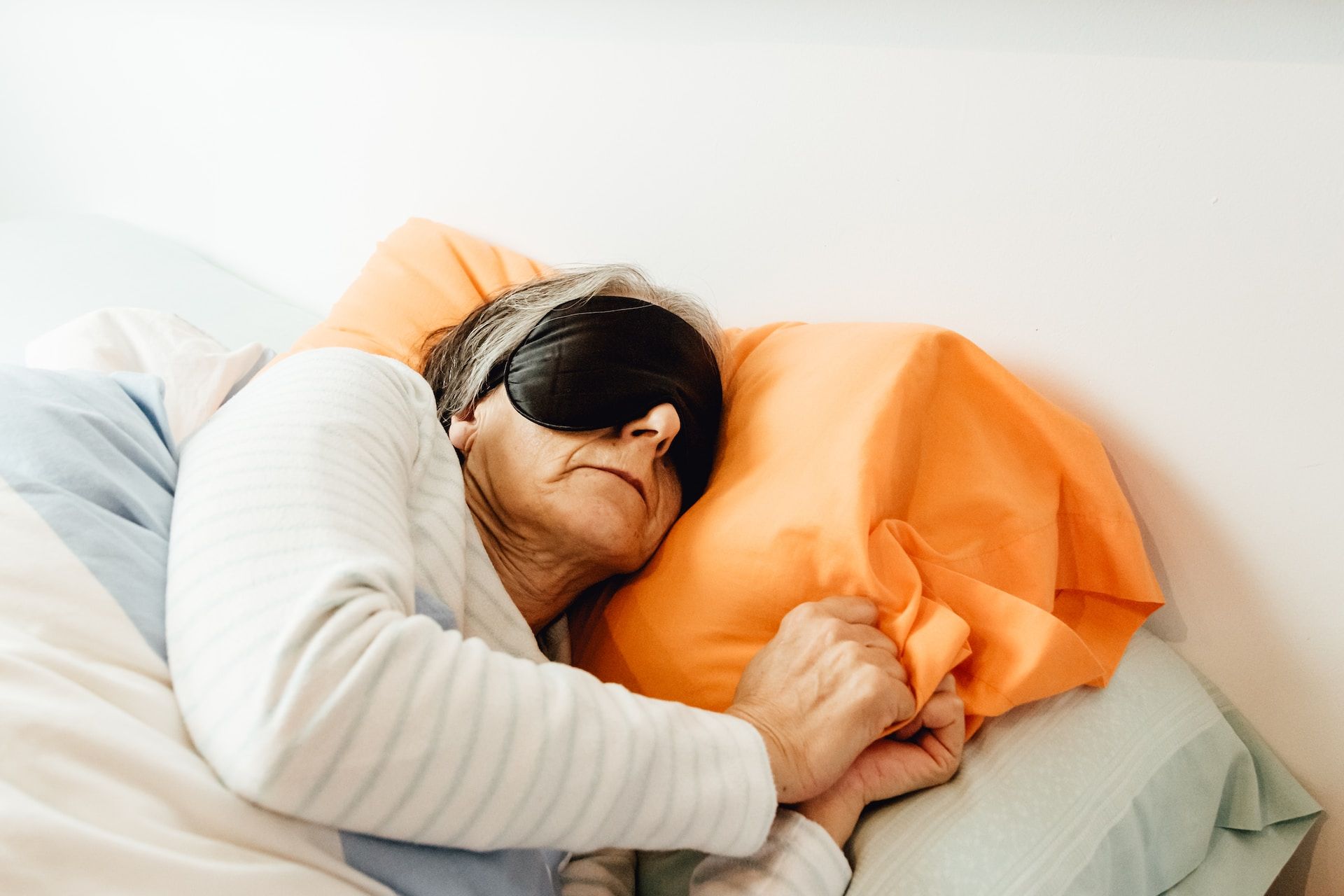
  • Create a peaceful sleep environment: Make sure your bedroom is quiet, dark, and cool (around 65°F) for optimal sleep quality. Consider using blackout curtains, eye masks, or white noise machines to create a comfortable space.
  • Avoid heavy meals & stimulants before bed: Consuming heavy, spicy, or fatty foods can cause discomfort and disrupt sleep. Limit caffeine and alcohol consumption several hours before bedtime, as they can lead to fragmented and poor-quality sleep.


3. Practice Stress Management Techniques


TMJ disorders are often linked to stress, which can exacerbate teeth grinding (bruxism) and jaw clenching. Incorporating stress management techniques into your daily routine can help reduce TMJ-related symptoms.


  • Meditation: Mindful meditation has been shown to decrease stress levels, with one study indicating that just 20 minutes of mindfulness practice daily can significantly decrease stress levels.
  • Breathing exercises: Deep breathing techniques, such as diaphragmatic breathing, can help lower stress and promote relaxation, improving overall TMJ symptoms.
  • Participate in calming activities: Engage in hobbies and activities that you find relaxing, such as yoga, reading, or taking a walk in nature.


4. Improve Body Posture


Poor posture can contribute to TMJ pain by placing undue stress on the jaw joints. Adopting proper body posture can aid in alleviating TMJ discomfort and reducing the risk of developing further complications.


  • Adjust your workspace: Ensure your computer monitor is at eye level and your chair supports the natural curve of your lower back. Use a headset for phone calls to avoid straining your neck and jaw.
  • Avoid slouching: Slouching can cause you to jut your jaw forward, adding stress to your TMJ. Aim to maintain a neutral spine and relax your jaw throughout the day.
  • Consider physical therapy: A physical therapist can assess your posture and recommend specific exercises to strengthen the muscles that support proper alignment.


5. Quit Smoking


Smoking has been linked to both sleep apnea and TMJ disorders, as it can contribute to airway inflammation and worsen bruxism. Quitting smoking can lead to significant improvements in your overall health, as well as reduce sleep apnea and TMJ disorder symptoms.


Incorporating these lifestyle changes into your daily routine can significantly enhance your ability to manage sleep apnea and TMJ disorders. By working in tandem with your healthcare provider and making a concerted effort to adopt these healthy habits, you can find relief from symptoms and improve your overall well-being.


Take Control of Your Sleep Apnea and TMJ Disorders with Lifestyle Changes


In conclusion, embracing these lifestyle changes can significantly improve your ability to manage sleep apnea and TMJ disorders. By focusing on maintaining a healthy weight, prioritizing sleep hygiene, practicing stress management, improving body posture, and quitting smoking, you can dramatically enhance your overall quality of life and find relief from these conditions.


At Columbia Center for Sleep Apnea and TMJ, Dr. Jared Bloxham is here to support you on your journey toward optimal health. Schedule a consultation with us today to discuss how combining lifestyle changes with personalized treatment plans can provide the best possible outcome for your unique situation. Trust our
center for sleep apnea and TMJ in Benton City to provide compassionate, expert care in your quest to conquer sleep apnea and TMJ disorders, and embrace a happier, healthier life.

August 28, 2026
Looking for oral appliances near you? Columbia Center for Sleep Apnea & TMJ provides custom oral sleep appliances for patients with sleep apnea who cannot tolerate or prefer not to use CPAP.
August 24, 2026
Looking for a headache doctor or migraine specialist in Kennewick, Richland, or Pasco? Learn how a comprehensive evaluation with Dr. Jared Bloxham can help identify potential causes of head and facial pain.
August 21, 2026
Learn how to manage TMJ pain without surgery. Discover conservative TMJ treatment options and when to see an Orofacial Pain Specialist like Dr. Jared Bloxham.
August 17, 2026
Learn what myofascial pain is, its symptoms, causes, and treatment options. Dr. Jared Bloxham provides comprehensive evaluation and care for myofascial pain, TMJ disorders, headaches, and facial pain in Richland, WA.
August 14, 2026
Many people assume TMJ disorders only cause jaw pain. In reality, problems involving the temporomandibular joints can affect much more than your jaw. If left untreated, TMJ disorders may contribute to chronic pain, changes in jaw function, and, in some cases, changes within the jaw joint itself. Early evaluation can help identify the cause of your symptoms and guide appropriate treatment. At Columbia Center for Sleep Apnea & TMJ , Dr. Jared Bloxham provides comprehensive care for patients experiencing TMJ disorders and other forms of orofacial pain. Common Symptoms of TMJ Disorders TMJ symptoms vary from person to person and may include: Jaw pain or soreness Clicking or popping sounds Jaw locking Difficulty chewing Frequent headaches Facial pain Ear pain or ringing in the ears Neck stiffness Shoulder pain Morning jaw fatigue Teeth grinding or clenching Limited jaw opening Many patients are surprised to learn that chronic headaches or facial pain may be related to TMJ dysfunction rather than a neurological condition. Can TMJ Lead to Bone Changes? In some cases, TMJ disorders are associated with changes in the temporomandibular joint itself. Depending on the underlying cause, imaging studies may reveal wear, degeneration, or remodeling of the joint over time. Some patients may experience changes in the bone within the joint as part of degenerative joint disease or other TMJ conditions. Not every patient with TMJ develops these changes, but ongoing pain, limited jaw movement, or persistent joint symptoms should be evaluated promptly to help determine the cause and identify appropriate treatment options. How an Oral Orthotic Can Help One of the most common conservative treatments for TMJ disorders is a custom oral orthotic. Unlike over-the-counter night guards, a custom orthotic is designed specifically for your bite and jaw relationship. Depending on your diagnosis, an orthotic may help: Reduce stress on the jaw joints Decrease muscle tension Minimize clenching and grinding Improve jaw comfort Support more balanced jaw function Because every patient's condition is different, the type of appliance and treatment plan should be based on a thorough examination. Additional TMJ Treatment Options Treatment often involves more than one therapy. Depending on your diagnosis, Dr. Jared Bloxham may recommend: Custom oral orthotics Trigger point injections for muscle-related pain Jaw rehabilitation exercises Lifestyle and behavioral modifications Education on habits that may contribute to symptoms Ongoing monitoring and adjustments to your treatment plan The goal is to improve jaw function while helping reduce pain and inflammation. Why Specialized Care Matters TMJ disorders are often multifactorial, involving muscles, joints, nerves, and surrounding structures. As an orofacial pain specialist, Dr. Bloxham focuses on diagnosing these complex conditions and developing individualized treatment plans tailored to each patient's needs. This specialized approach helps ensure that treatment addresses the underlying source of discomfort rather than only the symptoms. Serving Patients Throughout the Tri-Cities and Beyond Conveniently located in Richland, Washington , Columbia Center for Sleep Apnea & TMJ proudly serves patients from Kennewick, Pasco, West Richland, Benton City, Moses Lake, Ephrata, Basin City, Yakima, Walla Walla, Seattle , and surrounding communities across Eastern Washington and Northeastern Oregon. Patients seeking specialized care for jaw pain, headaches, facial pain, and TMJ disorders travel from throughout the region to receive personalized treatment. Find Relief from TMJ Pain If you're experiencing jaw pain, headaches, facial discomfort, or clicking and popping in your jaw, don't ignore the symptoms. Early diagnosis and conservative treatment may help improve your comfort and function before symptoms progress. Schedule a consultation with Dr. Jared Bloxham at Columbia Center for Sleep Apnea & TMJ to learn more about your treatment options, including custom oral orthotics, trigger point injections, and other individualized therapies. 
August 10, 2026
Stopped wearing your CPAP? Learn about the risks of untreated sleep apnea and discover custom oral sleep appliances from Columbia Center for Sleep Apnea & TMJ in Richland.
August 7, 2026
If you've been living with headaches that keep coming back—or you've seen multiple providers without finding lasting answers—you know how frustrating chronic head pain can be. Many people search for a "headache doctor near me" after trying over-the-counter medications, prescription medications, chiropractic care, massage therapy, or other treatments with little success. While headaches are common, they are not all caused by the same condition. In many cases, pain may be related to the muscles, joints, nerves, or other structures of the face, jaw, head, and neck. At Columbia Center for Sleep Apnea & TMJ in Richland, Washington , Dr. Jared Bloxham, an orofacial pain specialist, provides comprehensive evaluations for patients experiencing chronic or undiagnosed headaches. His goal is to identify potential contributing factors and develop a personalized treatment plan based on your specific diagnosis. Why Do Some Headaches Go Undiagnosed? Headaches can have many possible causes, and several different conditions can produce similar symptoms. While some headaches are primary headache disorders, others may be associated with problems involving the jaw joints, facial muscles, neck muscles, teeth, nerves, or other structures. If the underlying source of pain is not identified, treatment may only provide temporary relief. That's why a thorough evaluation is an important first step. Signs You Should Have Your Headaches Evaluated You may benefit from a comprehensive headache evaluation if you experience: Frequent headaches that continue despite treatment Daily or recurring headaches Morning headaches Headaches associated with jaw pain Facial pain or muscle tenderness Pain that worsens while chewing or talking Tension in the neck, shoulders, or jaw Clicking or popping of the jaw Headaches accompanied by teeth grinding or clenching Persistent headaches without a clear diagnosis These symptoms may—or may not—be related. A detailed examination can help determine whether disorders of the jaw, muscles, or surrounding structures could be contributing to your pain. A Comprehensive Approach to Headache Diagnosis As an orofacial pain specialist, Dr. Jared Bloxham evaluates more than just where your head hurts. Your examination may include an assessment of: Jaw joint (TMJ) function Muscles of the face, jaw, head, and neck Bite and oral structures Muscle tenderness and trigger points Teeth grinding or clenching habits Previous imaging and medical history Current medications Lifestyle and symptom patterns This comprehensive evaluation helps identify potential contributing factors and can also help determine when referral to another healthcare provider may be appropriate. Personalized Treatment Options Because every patient's headaches are different, treatment is tailored to the underlying diagnosis rather than following a one-size-fits-all approach. Depending on your evaluation, treatment may include: Trigger Point Injections For patients whose headaches are related to muscle tension or myofascial pain, trigger point injections may help reduce muscle tightness and relieve pain. Medication Review Sometimes medications themselves—or how they are being used—may influence headache patterns. Dr. Bloxham carefully reviews your current medications and medical history to better understand potential contributing factors. When appropriate, recommendations may be coordinated with your primary care provider or other members of your healthcare team. TMJ and Orofacial Pain Treatment If jaw disorders, muscle dysfunction, or related conditions are contributing to your headaches, treatment may include therapies designed to improve jaw function and reduce strain on the surrounding muscles. Individualized Care No two patients experience headaches in exactly the same way. Your treatment plan is based on your symptoms, examination findings, and overall health, with the goal of addressing contributing factors and improving your quality of life. Why Choose an Orofacial Pain Specialist? Headaches involving the face, jaw, and surrounding muscles can be complex. Dr. Jared Bloxham has advanced training in diagnosing and managing disorders affecting the jaw joints, facial muscles, nerves, and other structures involved in orofacial pain. This specialized expertise allows him to evaluate how these interconnected systems may be contributing to chronic headaches and facial pain. Rather than focusing only on symptom relief, he works to identify the factors that may be driving your pain and recommends evidence-based treatment options tailored to your needs. Conveniently Located in Richland, Serving the Tri-Cities and Beyond Columbia Center for Sleep Apnea & TMJ is conveniently located in Richland, Washington , and proudly serves patients from Kennewick, Pasco, West Richland, Benton City, Moses Lake, Ephrata, Basin City, Walla Walla, Yakima, Hermiston, Pendleton, Seattle , and communities throughout Eastern Washington and Northeastern Oregon. Many patients travel to our office because they are seeking specialized evaluation for chronic headaches, facial pain, TMJ disorders, and other orofacial pain conditions. Find Answers for Chronic or Undiagnosed Headaches If you're searching for a headache doctor near Richland , treatment for undiagnosed headaches , or a provider who takes a comprehensive approach to evaluating head and facial pain, Columbia Center for Sleep Apnea & TMJ is here to help. A careful evaluation by Dr. Jared Bloxham can help identify possible contributing factors and determine whether treatments such as trigger point injections, TMJ therapy, medication review, or other conservative approaches may be appropriate for your condition. Contact Columbia Center for Sleep Apnea & TMJ today to schedule a consultation and take the first step toward understanding your headaches.
August 3, 2026
If you've been searching online for the "best TMJ specialist near me," you're likely dealing with persistent jaw pain, headaches, facial discomfort, or clicking and popping in your jaw. These symptoms can interfere with eating, speaking, sleeping, and your overall quality of life. Finding the right provider is one of the most important steps toward lasting relief. At Columbia Center for Sleep Apnea & TMJ in Richland, Washington , Dr. Jared Bloxham provides comprehensive evaluation and treatment for temporomandibular joint (TMJ) disorders and orofacial pain. Patients travel from throughout the Tri-Cities and surrounding communities because of his focused expertise in diagnosing and managing these complex conditions.. Common Symptoms of TMJ Disorders TMJ disorders can present in many different ways. Some of the most common symptoms include: Jaw pain or tenderness Clicking, popping, or grinding in the jaw Difficulty opening or closing the mouth Frequent headaches or migraines Ear pain or a feeling of fullness in the ears Facial muscle pain Neck and shoulder tension Pain while chewing Jaw locking Teeth grinding or clenching Because these symptoms can overlap with other conditions, a comprehensive evaluation is important to determine the correct diagnosis. Comprehensive TMJ Treatment Options No two patients experience TMJ disorders in exactly the same way, which is why treatment should be individualized. Depending on your diagnosis, Dr. Bloxham may recommend one or more conservative treatment options, including: Custom oral orthotics (splints) Trigger point injections for muscle pain Jaw exercises and rehabilitation Lifestyle and habit modifications Coordination with other healthcare providers when appropriate Long-term management strategies for chronic orofacial pain The goal is to reduce pain, improve jaw function, and help you return to daily activities with greater comfort. Why Patients Choose Columbia Center for Sleep Apnea & TMJ Patients often come to our office after trying multiple treatments without finding lasting relief. Our practice focuses on careful diagnosis, individualized treatment planning, and conservative therapies whenever appropriate. Rather than taking a one-size-fits-all approach, Dr. Bloxham considers how your jaw joints, muscles, bite, and overall oral health work together to influence your symptoms. Conveniently Located in Richland, Serving the Tri-Cities and Beyond Our office is conveniently located in Richland, Washington , and proudly serves patients from Kennewick, Pasco, West Richland, Benton City, Moses Lake, Ephrata, Basin City, Walla Walla, Yakima, Hermiston, Pendleton, Seattle , and communities throughout Eastern Washington and Northeastern Oregon. Many patients travel to our office because they are looking for specialized TMJ care from an orofacial pain specialist. Schedule a TMJ Evaluation If you're searching for the best TMJ specialist near Richland, Kennewick, or Pasco , Dr. Jared Bloxham and the team at Columbia Center for Sleep Apnea & TMJ are here to help
July 31, 2026
If you've been diagnosed with obstructive sleep apnea (OSA), you've likely heard that a CPAP machine is considered the standard treatment. While CPAP therapy is highly effective for many people, it's not the right solution for everyone. Some patients struggle with the mask, pressure settings, noise, or simply find it difficult to sleep comfortably. Fortunately, there are other treatment options. At Columbia Center for Sleep Apnea & TMJ in Richland, Washington , Dr. Jared Bloxham provides custom-fabricated oral sleep appliances that are designed specifically for each patient's anatomy. These appliances offer a comfortable, portable treatment option for many patients with obstructive sleep apnea and chronic snoring. What Is a Custom Oral Sleep Appliance? A custom oral sleep appliance is a small device worn while you sleep that gently repositions the lower jaw and surrounding tissues to help keep the airway more open. Unlike over-the-counter mouthguards or "boil-and-bite" devices, custom oral appliances are individually fabricated using precise impressions or digital scans of your teeth. This personalized fit is designed for comfort, durability, and effectiveness. Because every patient's airway is unique, customization is an important part of successful treatment. How Oral Appliance Therapy Works When muscles relax during sleep, the airway can become partially or completely blocked. This blockage contributes to breathing interruptions known as obstructive sleep apnea. A custom oral appliance works by: Supporting the lower jaw in a forward position Helping maintain a more open airway Reducing airway collapse during sleep Decreasing snoring for many patients Promoting more restful sleep The appliance is small enough to fit easily into a travel case, requires no electricity, and is easy to clean and maintain. Why Choose a Custom-Fabricated Appliance? Not all oral appliances are created equal. Dr. Jared Bloxham custom fabricates oral sleep appliances based on each patient's specific bite, jaw relationship, and treatment needs. A properly fitted appliance is generally more comfortable and allows for adjustments over time as needed. During treatment, patients are monitored to ensure the appliance continues to fit well and supports their treatment goals. Who May Benefit from Oral Appliance Therapy? Oral appliance therapy may be appropriate for patients who: Have mild to moderate obstructive sleep apnea Have been diagnosed with severe obstructive sleep apnea but cannot tolerate CPAP (when appropriate and recommended by their healthcare team) Snore heavily Travel frequently Want a quieter, more portable treatment option Are looking for an alternative to CPAP after discussing options with their healthcare provider A comprehensive evaluation is the first step in determining whether oral appliance therapy is right for you. Why See an Orofacial Pain Specialist? Oral appliance therapy involves much more than simply making a mouthguard. As an orofacial pain specialist, Dr. Jared Bloxham has advanced training in the relationship between the jaw joints, bite, muscles, airway, and oral structures. This specialized expertise helps ensure that each appliance is carefully designed with both comfort and function in mind. If you also experience TMJ symptoms, jaw discomfort, or facial muscle pain, those concerns can be considered as part of your treatment planning. Conveniently Located in Richland, Serving Patients Across the Region Columbia Center for Sleep Apnea & TMJ proudly serves patients from Richland, Kennewick, Pasco, West Richland, Benton City, Moses Lake, Ephrata, Basin City, Yakima, Walla Walla, Hermiston, Pendleton, Seattle , and communities throughout Eastern Washington and Northeastern Oregon. Many patients travel to our office because they are looking for personalized sleep apnea care and alternatives to CPAP therapy. Schedule Your Consultation If you're looking for a comfortable alternative to CPAP, a custom oral sleep appliance may be an excellent option. Dr. Jared Bloxham will evaluate your condition, discuss your diagnosis, and determine whether oral appliance therapy is appropriate for your needs. Contact Columbia Center for Sleep Apnea & TMJ in Richland today to learn more about custom oral sleep appliances for obstructive sleep apnea.
July 27, 2026
Are Tight Muscles Causing Your Pain? Do you experience frequent headaches, jaw pain, facial tenderness, neck stiffness, or muscle tension that never seems to go away? While many people assume these symptoms are simply caused by stress, they are often related to trigger points—tight, sensitive knots within muscles that can create pain throughout the head, face, neck, and jaw. At Columbia Center for Sleep Apnea & TMJ , Dr. Jared Bloxham offers trigger point injections as part of a comprehensive approach to treating orofacial pain and muscle dysfunction. These injections can help relieve chronic muscle tension, reduce pain, and improve your overall quality of life. What Are Trigger Point Injections? Trigger point injections are a minimally invasive treatment used to relax tight muscle fibers that contribute to pain and restricted movement. A small needle is inserted directly into the affected muscle, often with a local anesthetic or other appropriate medication, allowing the muscle to release and reducing pain. Unlike medications that simply mask symptoms, trigger point injections target the source of muscular pain. Many patients experience noticeable relief shortly after treatment, while others benefit from a series of injections as part of a personalized treatment plan. What Conditions Can Trigger Point Injections Help Treat? Trigger point injections are commonly recommended for patients experiencing: TMJ-related muscle pain Chronic headaches Tension headaches Facial pain Jaw pain and muscle fatigue Neck pain Shoulder tension Muscle spasms Bruxism (teeth grinding and clenching) Myofascial pain syndrome Because the muscles of the jaw, face, head, and neck work closely together, irritation in one area can often create pain in another. Addressing these trigger points can help interrupt that pain cycle. Signs You May Benefit From Trigger Point Injections You may be a candidate if you experience: Tender "knots" in your jaw, neck, or shoulders Frequent tension headaches Pain when chewing Facial soreness upon waking Clicking or discomfort in your jaw Chronic tightness despite massage or stretching Muscle pain that returns after temporary relief If these symptoms sound familiar, a thorough evaluation can determine whether trigger point injections are appropriate for your condition. Why Choose an Orofacial Pain Specialist? Not every provider who offers injections specializes in the complex muscles and joints of the face and jaw. Dr. Jared Bloxham focuses on diagnosing and treating disorders involving the jaw joints, facial muscles, head, neck, and oral structures. This specialized understanding allows him to identify the underlying causes of pain rather than simply treating the symptoms. Every patient receives a comprehensive examination before treatment to ensure trigger point injections are used only when clinically appropriate and as part of an individualized care plan. Rather than relying on a one-size-fits-all approach, Dr. Bloxham considers how your muscles, jaw joints, bite, sleep health, and daily habits may all contribute to your discomfort. Trigger Point Injections Are Just One Part of Comprehensive Care At Columbia Center for Sleep Apnea & TMJ, trigger point injections are often combined with other therapies when appropriate, including: TMJ treatment Oral appliance therapy Muscle rehabilitation Home stretching exercises Lifestyle recommendations Sleep apnea evaluation when indicated Treating the underlying cause of muscle dysfunction often leads to longer-lasting relief than treating pain alone. Frequently Asked Questions Are trigger point injections painful? Most patients describe the procedure as a brief pinch followed by pressure. Treatment is typically completed within a few minutes. How long does relief last? Relief varies depending on the individual, underlying condition, and contributing factors. Some patients experience improvement within hours or days, while others may benefit from ongoing treatment as recommended by Dr. Bloxham. Are trigger point injections safe? When performed by a qualified healthcare professional after an appropriate evaluation, trigger point injections are generally considered a safe treatment option. Your medical history and symptoms will be reviewed to determine whether they are appropriate for you. Will I need more than one treatment? Some patients improve after a single visit, while others benefit from multiple treatments combined with additional therapies to address the source of their muscle pain. Schedule Your Consultation If chronic headaches, facial pain, jaw discomfort, or muscle tension are interfering with your daily life, you don't have to continue living with the pain. At Columbia Center for Sleep Apnea & TMJ , Dr. Jared Bloxham provides comprehensive evaluations to identify the source of your discomfort and develop a personalized treatment plan that may include trigger point injections. Whether your pain is related to TMJ dysfunction, muscle tension, or chronic headaches, we're here to help you find lasting relief. Contact Columbia Center for Sleep Apnea & TMJ today to schedule your consultation and learn whether trigger point injections are right for you. Conveniently Located in Richland, Serving Patients Throughout the Pacific Northwest Located in Richland, Washington , Columbia Center for Sleep Apnea & TMJ proudly serves patients throughout the Tri-Cities and beyond. Many of our patients travel to see Dr. Jared Bloxham from Kennewick, Pasco, West Richland, Benton City, Moses Lake, Ephrata, Basin City, Walla Walla, Yakima, Hermiston, Pendleton, and other communities throughout Eastern Washington and Northeastern Oregon . Patients also make the trip from Seattle and Western Washington when seeking specialized care for TMJ disorders, chronic headaches, facial pain, muscle tension, and other complex orofacial pain conditions. Because orofacial pain requires specialized diagnosis and treatment, many patients are willing to travel to receive care from a provider whose practice is dedicated to these conditions. Whether you're experiencing persistent jaw pain, frequent headaches, facial muscle tension, or symptoms related to TMJ dysfunction, our team is committed to helping patients throughout the region find lasting relief through personalized treatment options, including trigger point injections.